
And Six Lessons About the Life I Actually Want
By Courtney Trevino
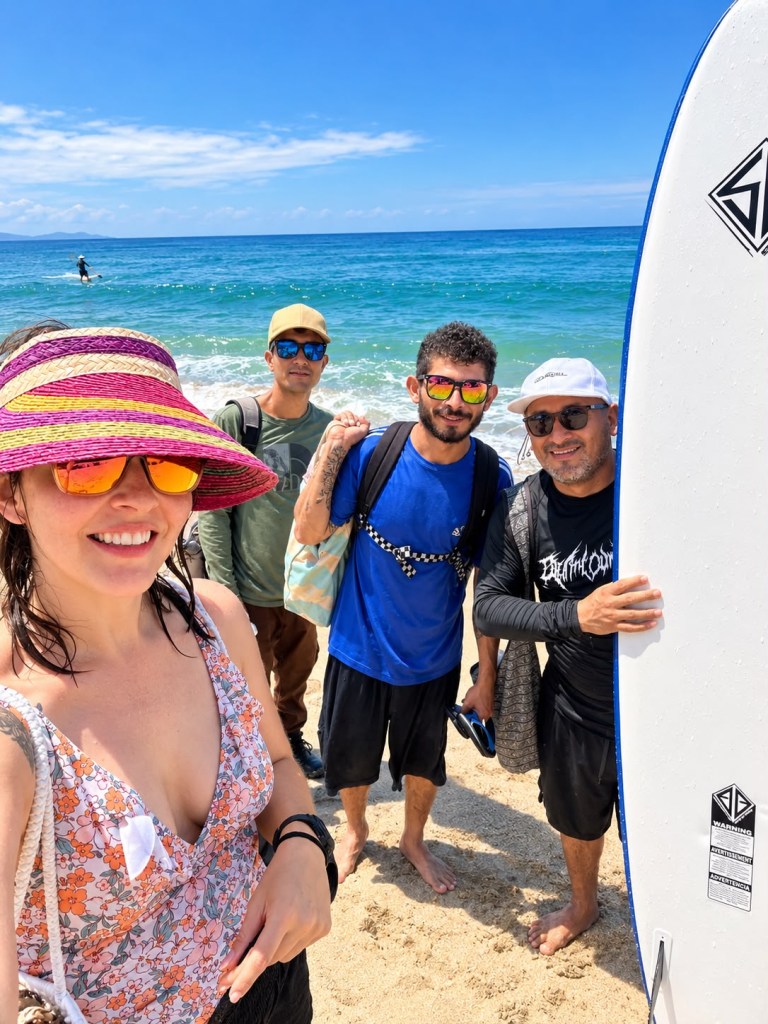
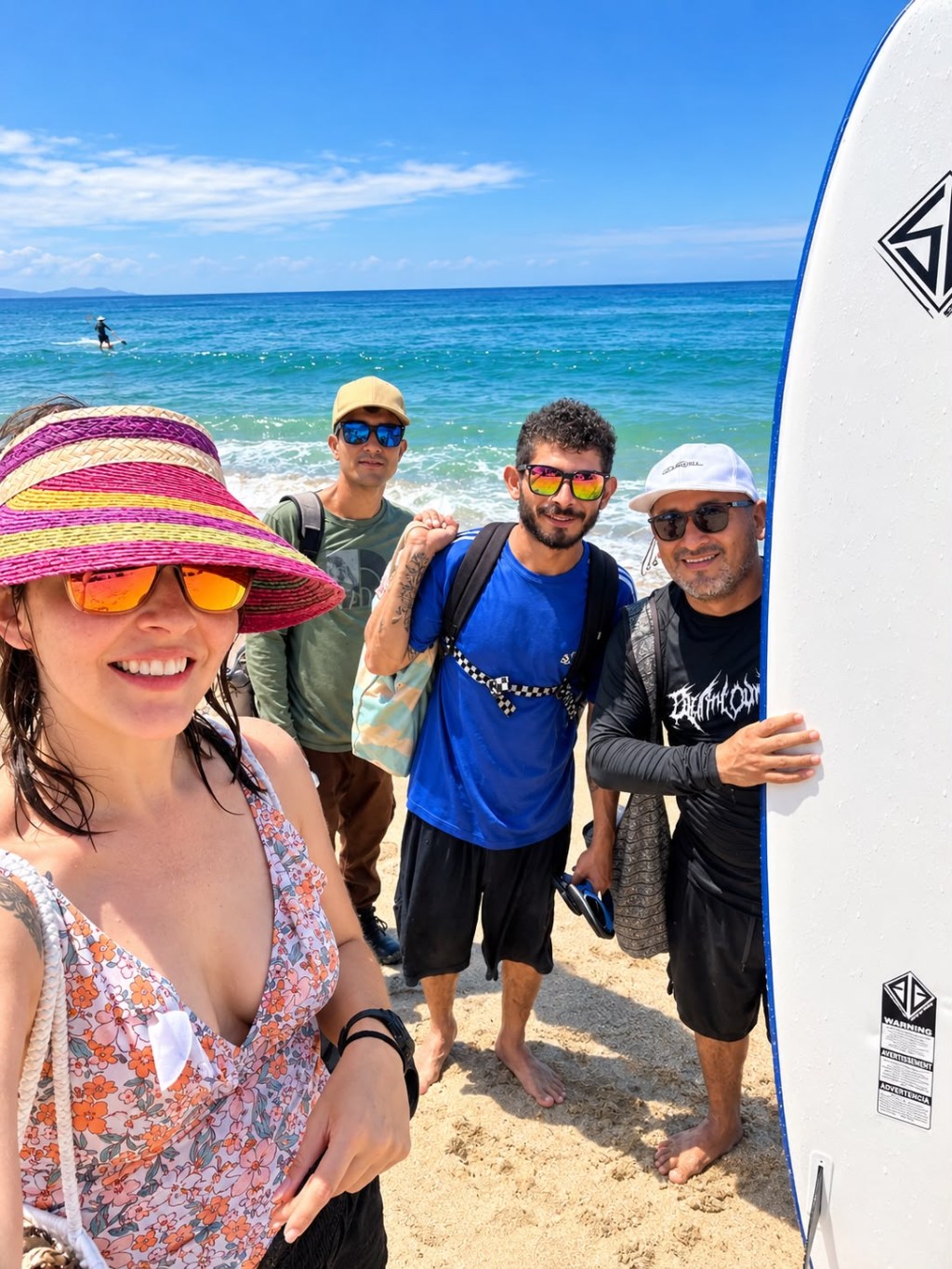
Six years ago this month, I crossed the border into Mexico. I was driving from Houston toward the Puerto Vallarta area with my daughter and our two dogs, carrying only a fraction of the belongings I had accumulated over a lifetime and having no real understanding of how profoundly the move would change me.
I knew I was moving to another country. I did not yet understand that I was also moving toward another version of myself.
In February 2020, before the move became real, I became critically ill with what I later came to understand was COVID.
Lying there, unsure whether I would live through the night, I had an awakening that was both simple and devastating: I had been living according to other people’s definitions of what I should do. I had built much of my life around society’s version of success—what I was supposed to achieve, own, endure and become—but I had not fully lived the life that was calling to me.
I thought about my daughter. I realized that I had not taught her, at least not well enough, how to navigate the world independently or how to follow her own dreams. I had tried to interrupt patterns of intergenerational trauma in our family, and I had made real progress. But I understood something painful that night: children learn less from what we tell them than from what we show them. If I wanted my daughter to believe she could build a life that was truly hers, I had to be willing to build one myself.
I also thought about my sister, who died by suicide when she was thirteen. After she died, I made a promise to her that I would live a life full enough for both of us. Somewhere along the way, I had lost sight of that promise.
That night, I made another promise—to God and to myself. If I lived through the night, I would change. I would become the person I believed I had been put on this earth to become. I would discover my purpose and do my best to fulfill it, whatever that required of me.
When the sun came up the next morning, streaming through the blinds, I knew I had survived. And deep in my heart, I knew that shit was about to change.
By September, I had quit my job, sold my house, got rid of about 90 percent of what I owned and drove to Mexico with my daughter and our two dogs. Friends wanted to understand why I was making this change. How was I going to support myself? What was in Mexico that was not in the United States? What if it was all a giant mistake? I did not have every answer. I only knew that the decision felt true in my heart.
Today, I am not the same person who crossed that border six years ago. I do not hold all the same beliefs, and I no longer desire many of the things I once believed I needed. Yet somehow, I feel more like myself than I ever have before—closer to the person I have always been inside and the person I may have been trying to become all along.
Living in Mexico has been beautiful, complicated, liberating, frustrating and, at times, heartbreaking. It has stripped away some of my illusions—about possessions, poverty, government, healthcare, stability and even home itself.
These are six of the most important lessons I have learned.
1. The Things I Owned Were Beginning to Own Me
Before moving to Mexico, I went through nearly everything I owned and got rid of about 90 percent of it.
Each decision felt significant at the time. I remembered buying many of those things or recalled how they had come into my life. Even when I knew an item would not serve me on the journey ahead, I sometimes found it surprisingly difficult to let it go. I kept the things that felt truly irreplaceable: a few family heirlooms and mementos from my childhood. I soothed my panic about getting rid of so many possessions by telling myself that if I eventually needed or missed something, I could always buy a replacement.
Then I arrived in Mexico and discovered that I did not miss most of it.
Six years later, I cannot even remember what many of those supposedly important possessions were. A friend recently asked whether I regretted giving anything away. Truthfully, I do not. I kept some practical things—my kitchen appliances, silverware and dishes—and I am glad I did. But most of what I released had no meaningful effect on my happiness once it was gone.
Yes, I still buy things. Sometimes I buy things I do not really need. I occasionally miss the leather reclining couch I had in the United States, and every now and then I think about my wine refrigerator. Ironically, I drink far less wine in Mexico than I did before I moved here.
My life is simpler than it once was, but it does not feel smaller. In many ways, it feels far more abundant. I’ve realized that you can never really own enough of what you don’t really need to make you happy.
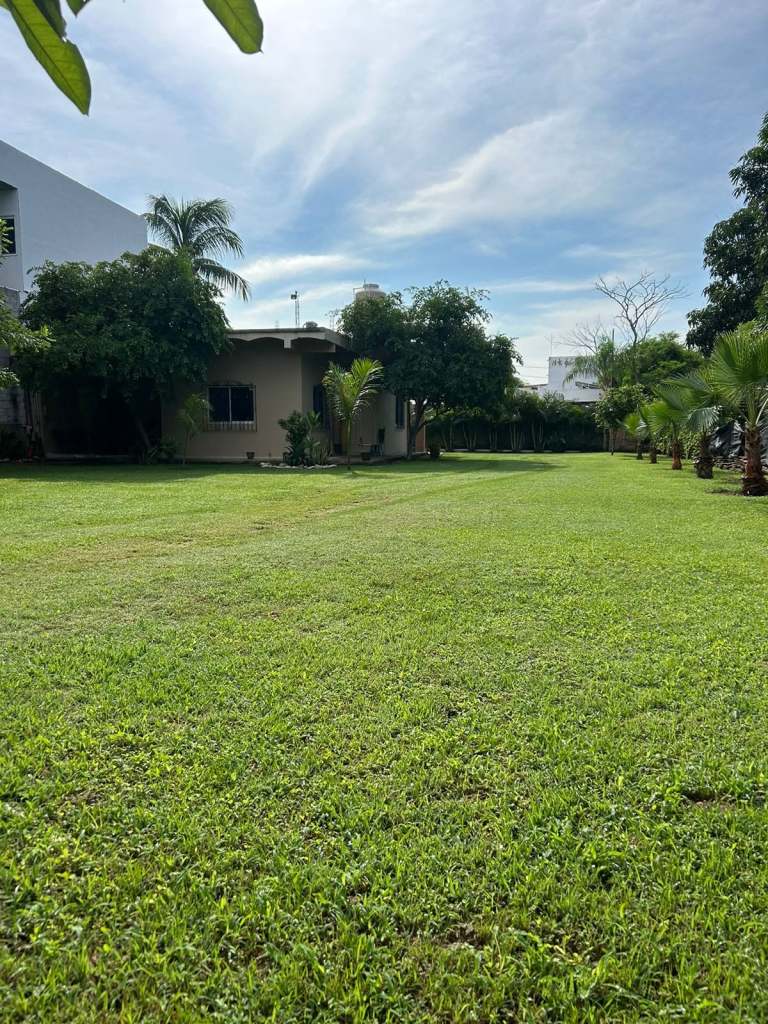
We currently rent a lovely home with a large yard, primarily because we have four dogs. Without them, we would need far less space and could live somewhere smaller and more affordable. I find myself wanting that kind of simplicity more and more, but our dogs’ happiness is also very important.
Not that I don’t find joy in our oasis. Each day, I look outside my office window and see tropical birds gathering to eat the leftover watermelon I put out for them or drink water from the condenser hose for our A/C unit. Depending on the season, I see fruit growing on the trees in our yard. Occasionally, a fox comes down from the mountains and slips stealthily across the property.
We live about five minutes from the marina in La Cruz, where people swim out to the White Rocks and back—a round trip of about two kilometers. There are tropical fish beneath the water, mountains meeting the ocean and Puerto Vallarta visible in the distance. For someone visiting, it might be one of the most beautiful experiences of their life. For me, it can be an ordinary part of my week. I see the miracle in the everyday, the beauty in the ordinary, and the magic that is now a part of my daily life.
I once thought my possessions represented the life I had built. Now I understand that many of them were keeping me tethered to a life I no longer wanted. Had I allowed my belongings to prevent me from moving, they would have possessed me—not the other way around. I would not have experienced this beautifully simple life, made abundant by experiences rather than possessions.
I once believed stability came from keeping the right job, owning the right things and remaining in a life that looked dependable from the outside. Now I think stability has more to do with self-trust, adaptability, relationships and knowing that I can make a life again if I need to.
2. Beauty and Suffering Can Exist Side by Side
Mexico has shown me extraordinary beauty, but it has also placed me closer to suffering than I had ever been before.
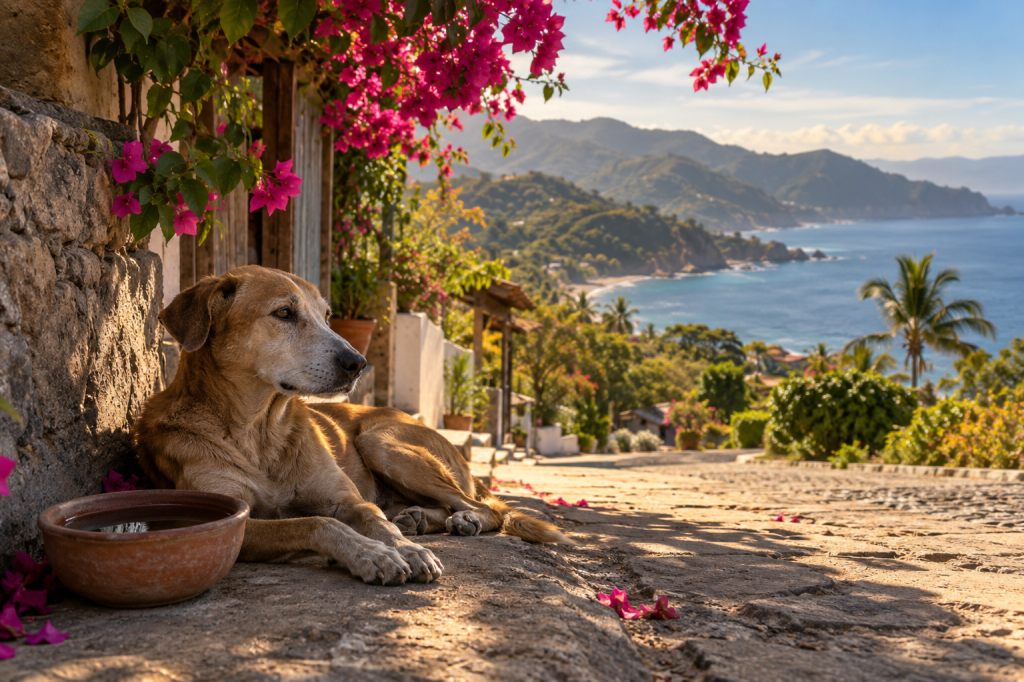
The hardest part for me has been the street dogs.
I see dogs who have been abandoned, dogs trying to survive after being hit by cars and dogs who are starving, malnourished, chronically dehydrated or covered in fleas. I see animals who are sick, injured, frightened or simply trying to make it through another day on the streets.
It breaks my heart every time.
The problem is not as simple as people not caring. In many communities, there are limited shelters, rescue organizations, veterinary resources and affordable options for families who are already struggling to survive themselves. When wages are low and a family is choosing between food, rent, medicine, transportation and school expenses, caring for a pet can become an impossible burden. That does not make the suffering easier to witness, but it has taught me that compassion requires us to look beyond easy explanations.
Over the years, we have rescued six dogs and rehomed four. Two became what rescuers call “foster fails”—the dogs we intended to help temporarily but could not bring ourselves to give away. I now drive with dog food and water in my car in case I see a stray dog, and I regularly put out food and water for the dogs in our neighborhood.
But doing what I can has not made me immune to the grief of what I cannot fix.
At first, it was tempting to think that this kind of suffering belonged to Mexico. But suffering exists in the United States too. We are often simply better at separating ourselves from it, relocating it to neighborhoods we do not visit or concealing it behind institutions, closed doors and systems that make it easier for the rest of us to look away. Hundreds of thousands of dogs and cats are still euthanized in U.S. shelters every year. If that is not suffering, I do not know what is.
My husband has also changed how I understand suffering and resilience. He grew up in Valle de Chalco, on the outskirts of Mexico City, where danger, poverty and crime were not abstract ideas but daily realities. The things he has survived—and the resourcefulness he developed because he had to—have taught me more than any statistic or news story could. Despite trauma and hardship, he is one of the most genuinely good people I know. He has taught me a great deal about surviving. I hope that, in some ways, I have helped show him that life can be about more than survival too—that we are allowed to build joy, safety, softness and dreams into the lives we create.
Living here has made it impossible for me to reduce Mexico to either paradise or tragedy. The beauty is real. So is the suffering. Neither cancels out the other.
The view of the mountains meeting the ocean does not make an abandoned dog less hungry. The existence of poverty does not make the ocean less magnificent. Both truths occupy the same place, often on the same day and sometimes in the same moment.
Mexico has taught me to hold those truths together—to remain grateful for beauty without using it to look away from suffering.
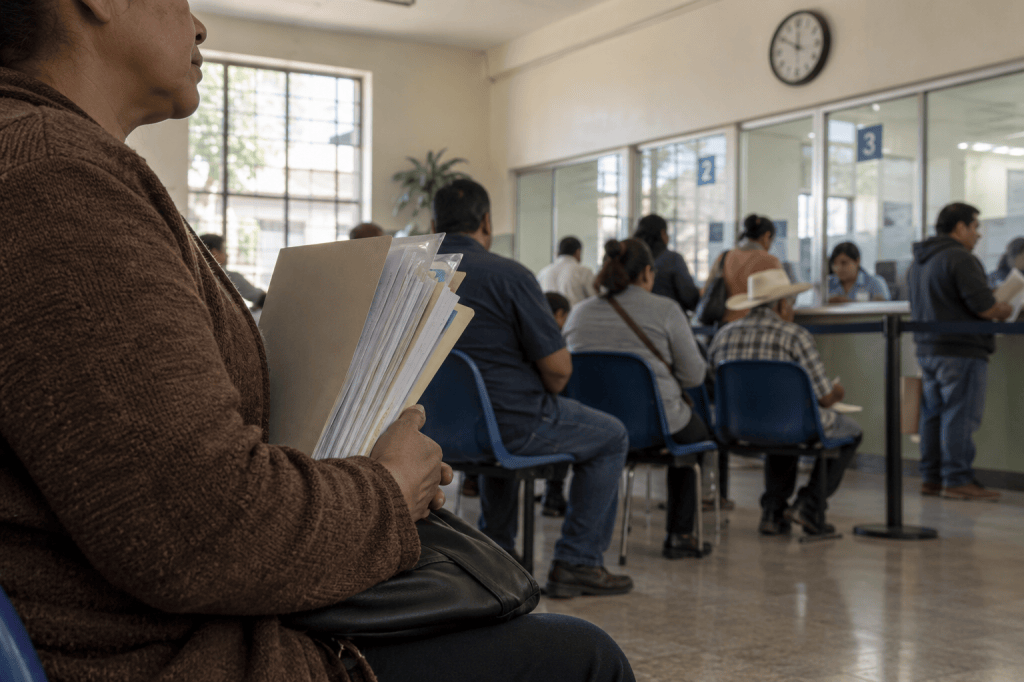
3. Systems Shape People’s Possibilities
I used to think of bureaucracy primarily as an inconvenience. Now I understand that dysfunctional systems can shape the entire course of a person’s life.
Mexico has access to modern technology. Biometric systems may be used when people enter the country, apply for residency, or clock in at work. Yet many of the processes people depend upon remain heavily paper-based, confusing and dependent upon appearing at the correct office, on the correct day, with precisely the right documents—and sometimes upon encountering an official willing to help.
Even getting married here taught me that what seems like a straightforward life event can become a complicated administrative process.
Before my husband and I could be legally married, we had to complete a series of requirements. We needed a background check related to child-support obligations in Mexico, even though I am not Mexican. We were required to attend a marriage course through DIF, the government family-services agency. We also had to complete blood tests within five business days of the wedding date.
And, of course, the marriage could only be legally recognized through the Registro Civil. A church wedding or any other ceremony may be meaningful, but it is not legally binding unless the civil process is completed.
None of those requirements may sound impossible on their own. But together they demand appointments, documents, transportation, fees, time and flexibility. For people who work long hours, do not have paid time off, lack reliable transportation or live paycheck to paycheck, completing each step can become far more difficult than it should be. What felt like an extended inconvenience to us could become a serious obstacle for someone with less time, money, or access.
By the end, the process often felt less like a public service and more like a maze of requirements, appointments and fees that had to be navigated before the government would recognize a commitment we had already made to one another.
I learned a more painful version of the same lesson after becoming the victim of a crime. Filing a police report did not mean I left with the information I needed to follow the case. I still had to travel to the fiscalía to obtain a folio number, and the documentation required depended on the type of crime. For an assault, for example, I was told that the injury statement needed to come from a public hospital rather than a private clinic. The process assumes that someone who has been harmed has the time, transportation, physical capacity and knowledge to keep navigating the system. Many people do not.
That is not merely frustrating. It can become a form of exclusion.
When people cannot update identification, obtain a driver’s license, register a marriage or divorce, report a crime or bring themselves into compliance with regulations without sacrificing days of income, bureaucracy shapes what they are realistically able to do. When a system also leaves room for favoritism, bribery or the arbitrary power of individual officials, those with the least money and influence bear the greatest burden.
I do not believe every frustrating process is necessarily designed to keep people struggling. But that can still be its effect. People become time-poor, financially vulnerable and dependent upon those who know how to navigate—or circumvent—the process.
I have also come to understand what repeated institutional failure does to a person. When someone has been ignored or defeated often enough, eventually they may stop expecting anything different. They may stop filing complaints, asking questions or insisting upon their rights—not because they do not care, but because experience has taught them that the effort will cost them something and may change nothing.
My perspective is shaped by my position as a foreign resident with resources, mobility and the ability to access some private services. I cannot speak for every Mexican family, community or region. But living here has made me more aware of how profoundly systems shape what people can realistically do with their lives.
It has also changed how I view the United States. No country is immune to systems that concentrate power, restrict access or make ordinary people fight for things they should be able to obtain fairly. Watching this happen in Mexico has made me more alert to similar developments in the United States—and more concerned about what happens when people begin to accept institutional dysfunction as normal.
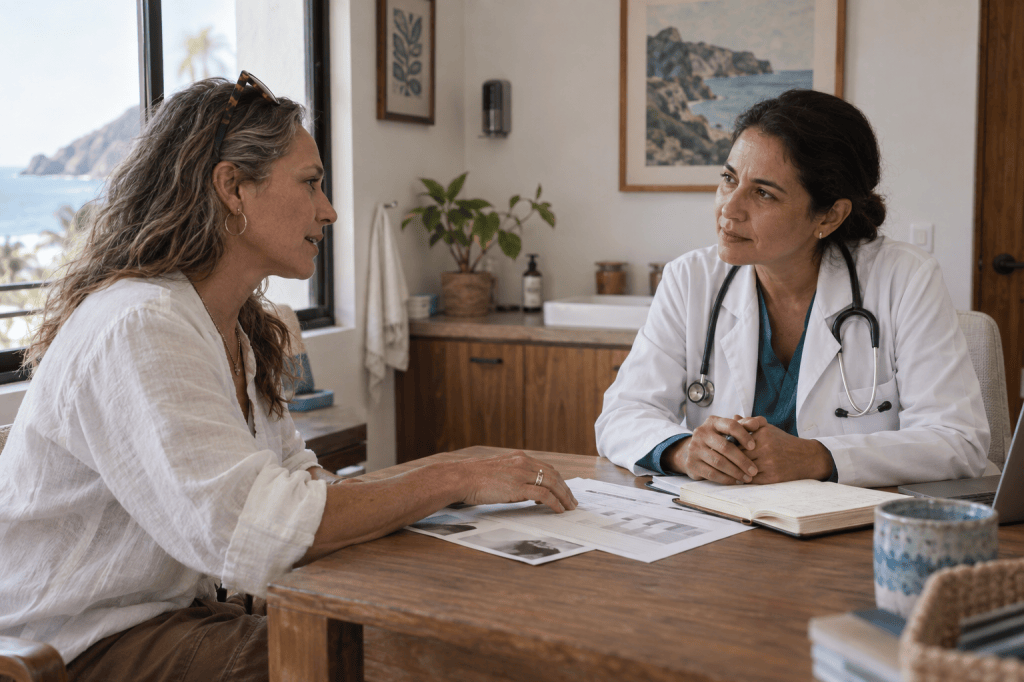
4. No One Will Advocate for Me as Fiercely as I Will
Living in Mexico has taught me that no one will ever advocate for me as fiercely as I will.
I have learned this while searching for answers about my health. I learned it after becoming the victim of a crime and having to insist upon medical care and involvement from the fiscalía. I have learned it in government offices, hospitals, pharmacies and countless situations in which nothing would have happened if I had simply accepted the first answer I was given.
Advocating for yourself does not guarantee that you will win. Sometimes you are pushing against systems—whether in Mexico or the United States—that are far more powerful than you are. Persistence cannot erase structural inequality, and people should never be blamed when a system repeatedly fails them. But advocacy gives us a chance to be heard, obtain information, challenge an answer and look for another path.
I have experienced this most profoundly with my health.
In the United States, I often felt that doctors controlled which treatments, medications, tests and even information I could access. My concerns could be dismissed, and treatments available elsewhere in the world were not necessarily available to me. When I sought treatment for adenomyosis, for example, the primary option presented to me in the United States was the removal of my uterus.
In Mexico, I was able to access an oral medication to manage the condition, allowing me to treat it now while reserving an irreversible decision for later. I can generally order laboratory tests, consult a private specialist without waiting months, and participate more directly in decisions about my care. Medical decisions here are made independently of insurance approvals. Specialists are often available in the evening, allowing me to attend appointments without missing work, and many have spent far more time talking with me than I had come to expect.
This does not mean Mexico’s healthcare system is perfect. Public facilities can be under-resourced, and serious emergencies or complicated conditions can expose dangerous gaps in quality of care. My ability to obtain private healthcare is also a privilege that many people living here do not have.
What Mexico has given me is not a perfect system. It has given me greater agency within an imperfect one—and reminded me that I must remain an active participant in my own care.
But I believe my greatest act of self-advocacy began before I crossed the border. After nearly dying in 2020, I knew I could not teach my daughter to trust herself and follow her dreams while remaining afraid to do the same. Moving to Mexico was my decision to stop waiting for permission to build a life that felt true to me.
I still do not have every answer about who I am or what I am meant to do. But I know this: self-advocacy is not only about speaking up in a doctor’s office, a government agency or a moment of crisis. Sometimes it is the quieter, more difficult decision to tell the truth about the life you want—and then begin making choices that honor it.
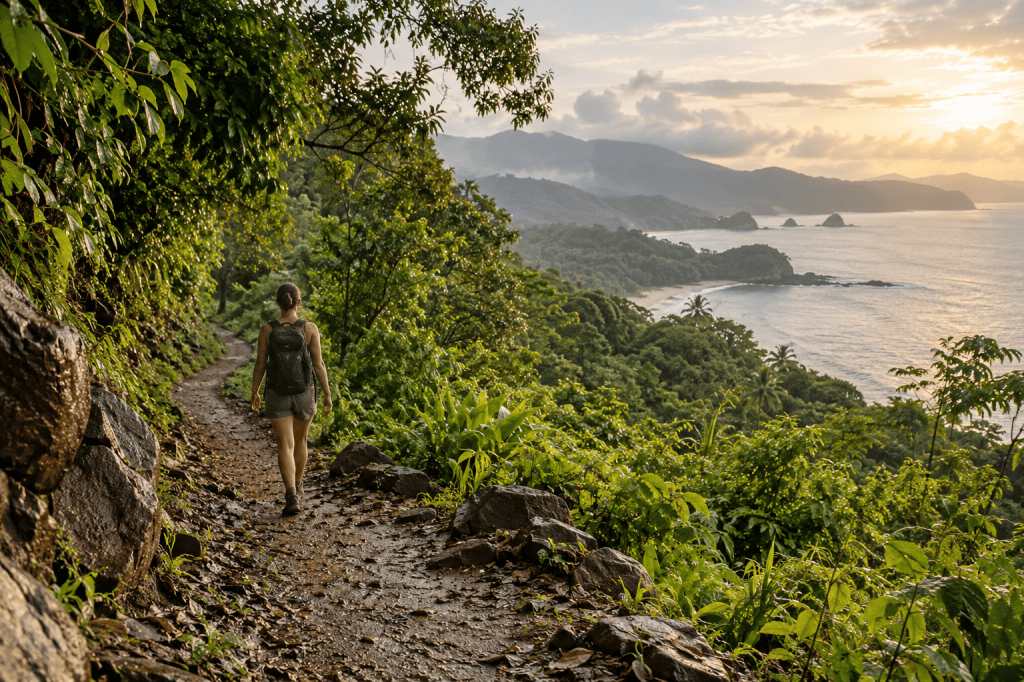
5. The Path Reveals Itself Only After You Begin
You do not need certainty before you begin.
When we start hiking a trail through the woods, we cannot see its end. We see only the section immediately in front of us. As we continue walking, more of the path is revealed—not all at once, but a little at a time.
Life works much the same way.
I think fear and uncertainty prevent many people from following the paths that might lead them toward the lives they want. Before taking the first step, they want answers. How will everything work? Will I fail or succeed? What will I find on the other side? How will I overcome problems that I cannot yet anticipate?
But there is no way to know all of that from the beginning. Some answers can only be discovered from the path itself.
Moving to Mexico required me to start walking without knowing exactly where the path would lead. I could not have anticipated everything I would encounter here: the relationships I would build, the difficulties I would face, the systems I would have to navigate or the person I would become.
I could not have known that I would build a marriage and a business here, or that Mexico would become a place I genuinely call home. None of that was visible at the beginning. It emerged because I took the next step, and then the next one.
I only knew that I had to take the first step.
Taking a path does not mean surrendering your future choices. You can change direction. You can take a detour, choose another trail or even turn around. But you cannot know exactly where you are, what you are capable of or what your next decision should be until you begin moving.
Eventually, you may reach the destination you originally imagined. More often, you discover that another path begins from there.
You do not have to see the entire journey. You need enough faith to take the next step—and then the next one—and allow the path to reveal itself as you walk.
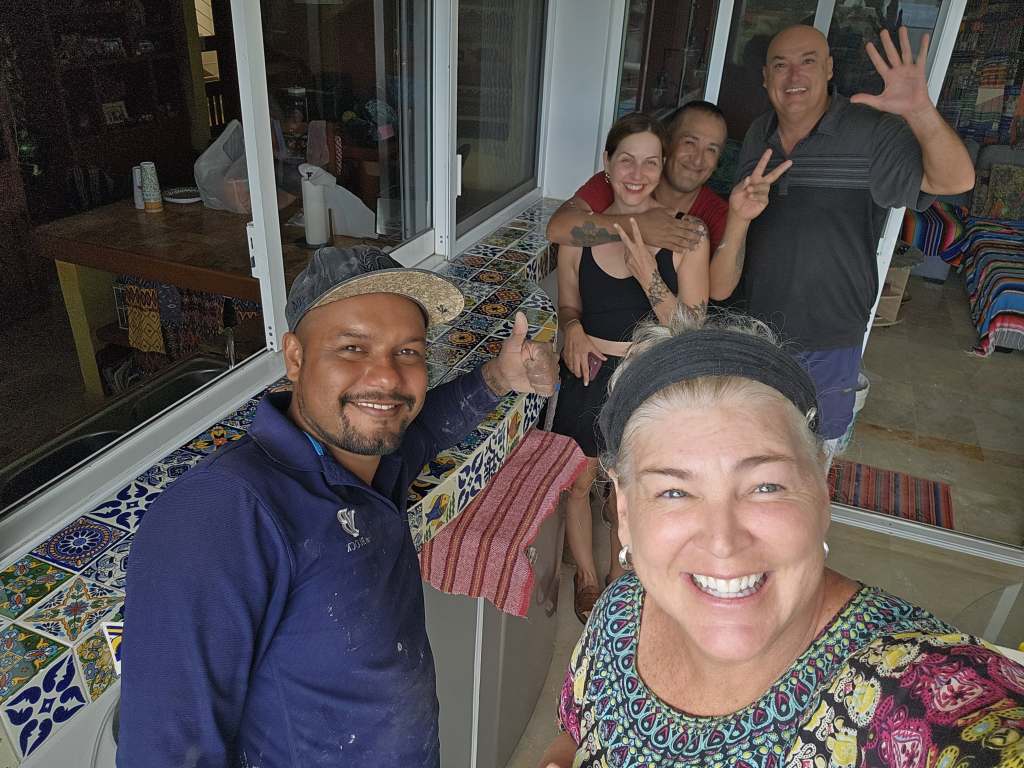
6. Home Is a Feeling, Not a Place
A couple of years ago, a coaching client of mine told me that she wanted to buy a house where her children could return for holidays. She wanted them to have roots, history and a place they would always recognize as home.
At the same time, the thought of buying that house filled her with panic. The place where she was living was not where she wanted to remain. Putting down roots there felt less like security and more like becoming trapped.
I asked her why home had to be a particular building or location. Wasn’t home wherever their mother was? Couldn’t home be the feeling they created when they were together?
I believe I was learning that lesson for myself as I said it to her.
For much of our lives, we are taught to associate home with permanence: a house, a hometown, familiar furniture or the place where our family’s history occurred. But after moving from the United States to Mexico, I have learned that home is not necessarily a fixed point on a map.
My daughter is grown now and has a home of her own. Yet when we are together—whether in her home, mine or somewhere else in the world—there is still that unmistakable feeling of home. It comes from belonging to one another, not from the address where we happen to be standing.
Mexico is home because this is where I have built my life. It is where my husband and I have created our routines, where our dogs run in the yard, where birds gather outside my office window and where fruit grows on the trees. But the deeper feeling of home travels with the people I love.
Six years ago, I thought I was leaving home to move to Mexico.
What I understand now is that I was learning how to create home for myself—and that wherever the next path takes me, I will carry that ability with me.
Six Years Later
Mexico has not given me a perfect life. It has given me a life that feels more authentically mine.
It has taught me that possessions are not security, that beauty does not erase suffering and that systems profoundly influence the choices available to people. It has taught me to advocate fiercely for my health and for the life I want. It has taught me to move forward without demanding certainty and to recognize home as something I create rather than somewhere I am required to remain.
I am not the same person who crossed the border six years ago. I own less, question more and understand that I have far more agency than I once believed.
Six years ago, I thought I was moving to Mexico.
I did not understand that I was also moving towards my authentic self.


Leave a comment